27th April 2010
In contrast to yesterday’s relaxed pace, this morning we were up before the sun. We had booked an early morning tour to see the Cham Temples at My Son (pronounced Me Sun).
My Son is sometimes known as Vietnam’s Angkor Wat, but in actual matter of fact contains far fewer temples which are much more ruined over a vastly smaller area than those in Cambodia. However, it is the most extensive of Vietnam’s Cham remains.
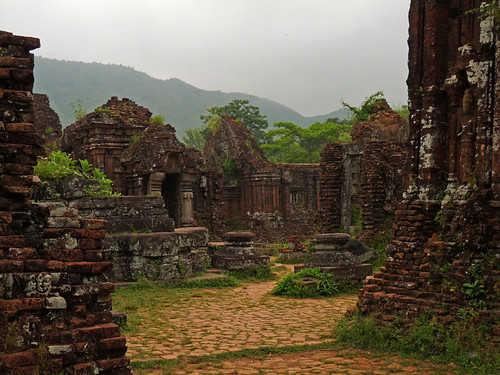
The ruins are located about 50 km from Hoi An and are set in a lush jungle valley. Surrounded by the burble of streams and overlooked by Cat’s Tooth Mountain, it is a lovely, peaceful place, especially since because we were there before all the tourist coaches arrive. It is one of those places where you just wish you could go back in time and witness the goings on during its hey day, rather than just looking at the ruins.
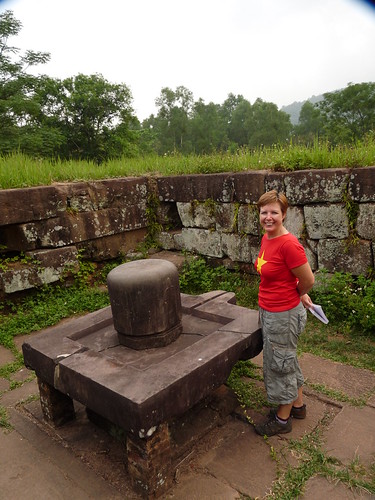
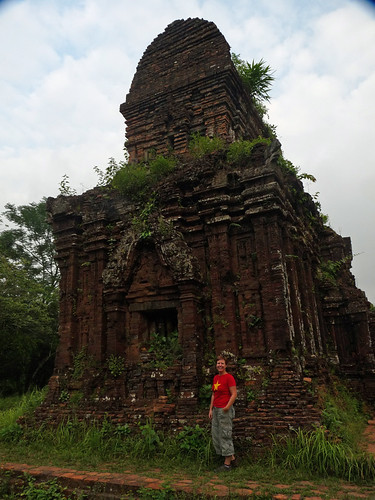
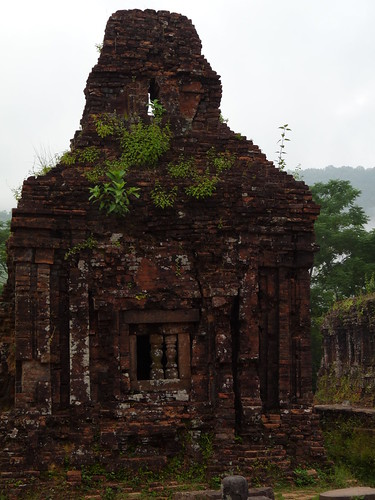
Only about 20 structures survive where at least 68 once stood. The smallness of the sight and the sparesness of the ruins made it feel intimate and enthralling, and with only a few people from our tour wanding around it was quite easy to put yourself somewhere where you were completely alone.
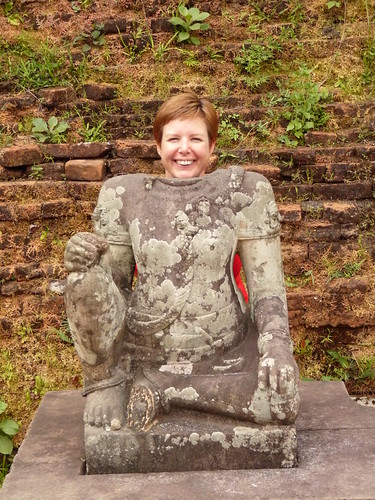
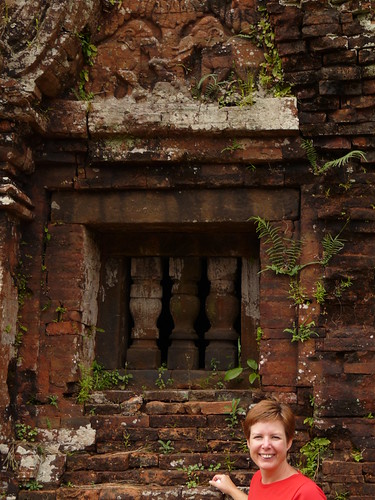
My Son was the most important intellectual and religious centre of the Champa Kingdom which existed in the area between the 2nd and 15th centuries. It was rediscovered in the 19th century by the French who set about restoring and preserving parts of the complex, however American bombing during the war devastated the place. The site features 10 groups of temples, the best of which are the B and C groups. These are the groups which still have the most temples still standing, although with the B52 bomb craters littered around the site it’s amazing there’s anything left standing.
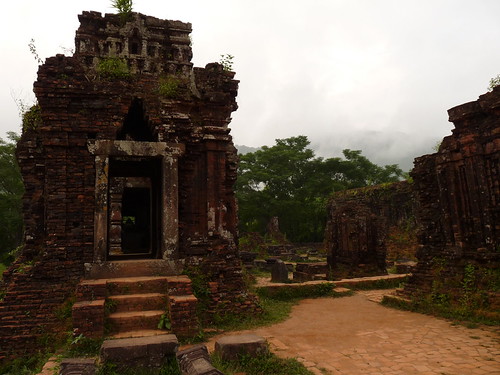
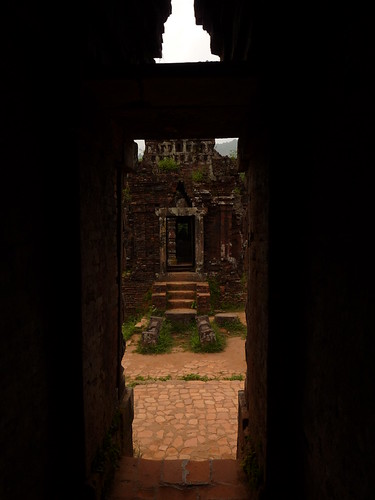
Another of the groups of temples was completely destroyed by American bombs. This was the largest and most important of the Cham temples and when air attacks failed to destroy it, helicopters with sappers were sent in to intentionally finish it off. Such a shame, thousands of years of history wiped out in minutes.
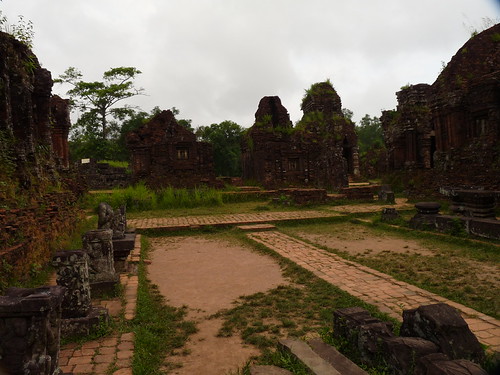
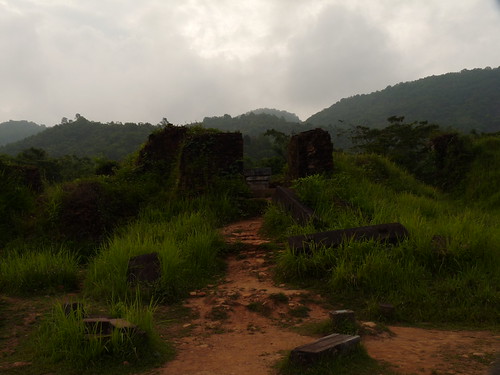
Thankfully, the site is now a UNESCO world heritage site, and therefore protected. There is restoration work going on, but it’s highly unlikely it will ever resemble its former glory (even before the Vietnam War).
We spent a pleasant hour and a half wandering around the site before hopping back on the bus for the hour journey back to Hoi An. After our early start and breakfast, we returned to the hotel for a second breakfast and a nap. The rest of the day was spent relaxing by the pool and catching up on blogs.
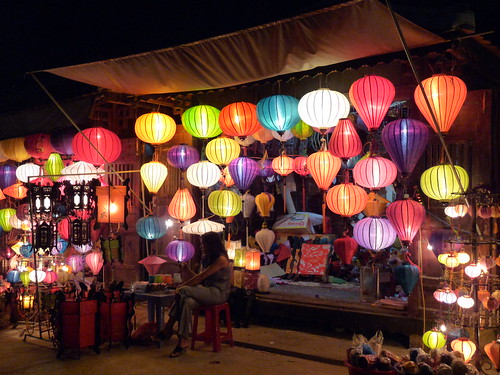
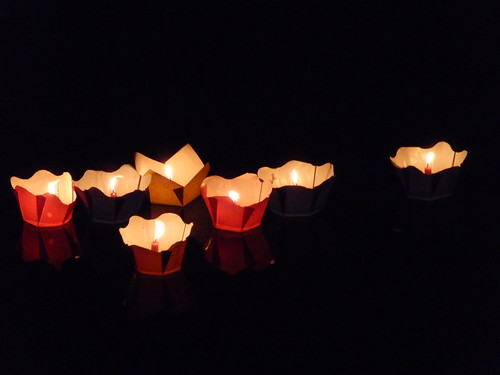
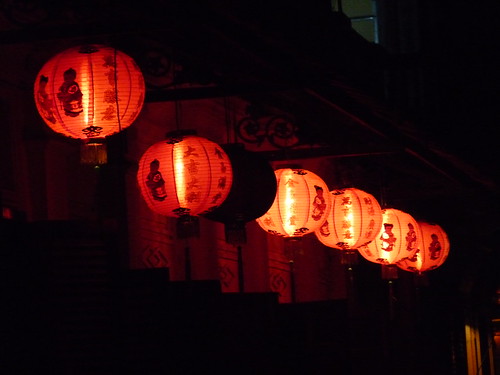
When we booked our hotel in Hoi An, we purposely stayed an extra night in order to catch the Hoi An Full Moon festival. This takes place on the night before the full moon. Hoi An’s streets are closed to motorcycles and candle lit lanterns are floated on the river for good luck. With the traditional silk lanterns lighting the riverside restaurants and bars and all the normal street lighting switched off, the town is transformed into a wonderfully magical setting.
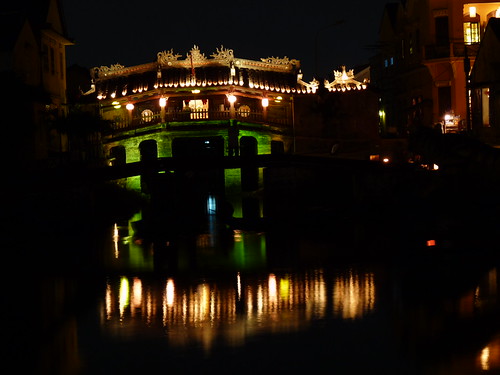
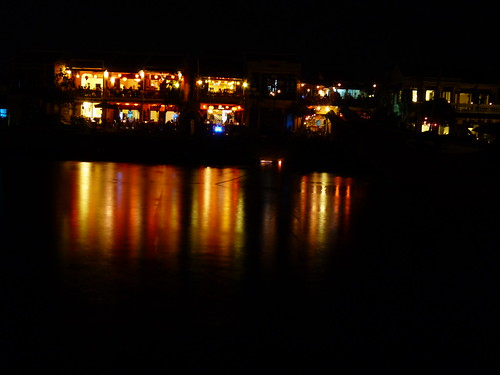
We wandered along the banks of the river soaking up the festival atmosphere with children running around and trying to sell lanterns in the shape of lotus flowers to float on the river. A wonderful end to a wonderful stay in Hoi An.